Request a Catalog



Historic Preservation
As America approaches its 250th anniversary and we reflect on the signing of the Declaration of Independence in Philadelphia and our nation’s storied history, Timberlane’s Philadelphia-based team of craftspeople is taking time to reflect on our own history as well.
On Timberlane’s 30th anniversary, we stepped back in time to revisit the historic restoration and renovation projects in our archives. We are humbled by the many significant buildings our shutters have helped preserve and grateful to the clients who serve as respectful stewards of America’s architectural legacy.
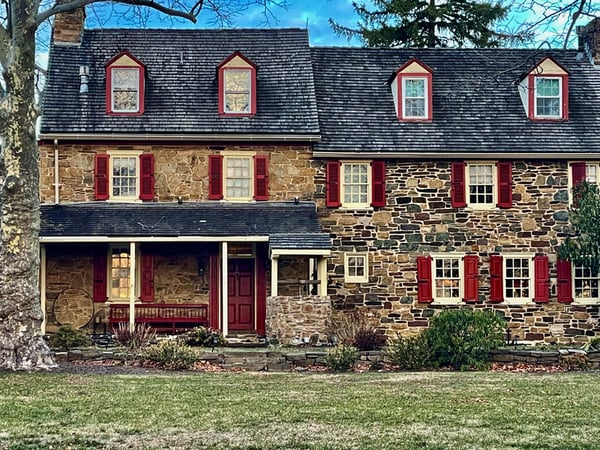
As we continue our America 250 series, we turn from the broader story of craftsmanship to the architectural styles that shaped the nation. Each era brought distinct design ideals—and exterior shutters evolved alongside them, serving both practical and aesthetic purposes.
Timberlane's Role in Historic Preservation
At Timberlane, we believe historic preservation is essential. America’s historic buildings help us understand where we came from and inspire where we are going. These structures—and the people who lived in them—tell our nation’s story.
Robert R. Livingston, often referred to as “The Chancellor,” was a New York attorney and statesman and one of the five members of the committee appointed to draft the Declaration of Independence. His historic home has been restored using authentically replicated exterior shutters crafted by Timberlane.
Just eleven years later, in 1787, Rufus King—who later became one of New York’s first U.S. Senators—signed the U.S. Constitution. His historic residence has also been restored with Timberlane shutters.
Timberlane and Our American Presidents' Homes
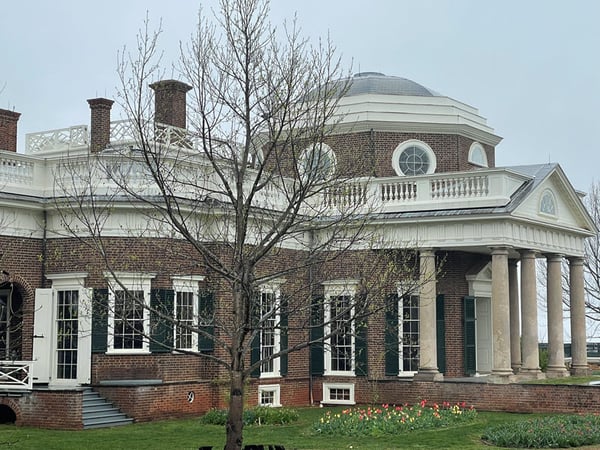
Thomas Jefferson’s Monticello, the iconic neoclassical estate near Charlottesville, Virginia, has likewise been restored to reflect its early 1800s appearance using Timberlane exterior shutters. Jefferson’s shutters tell a story about the role of exterior shutters before modern heating and air-conditioning. He referred to his shutters as “blinds” because their function was as important as their appearance: to provide shade and ventilation in summer months. The windows could remain open to catch the breeze but louvered shutters closed for shade and privacy.
President Lincoln’s Cottage at the Soldiers’ Home was built in the Gothic Revival style in 1842 on one of the highest points in Washington DC. It was cooler atop this hill than was the White House, a place where Lincoln would retreat from the daily demands of his job. It was here, in the cool shade provided by his shutters, that he wrote the Emancipation Proclamation in the summer of 1862.
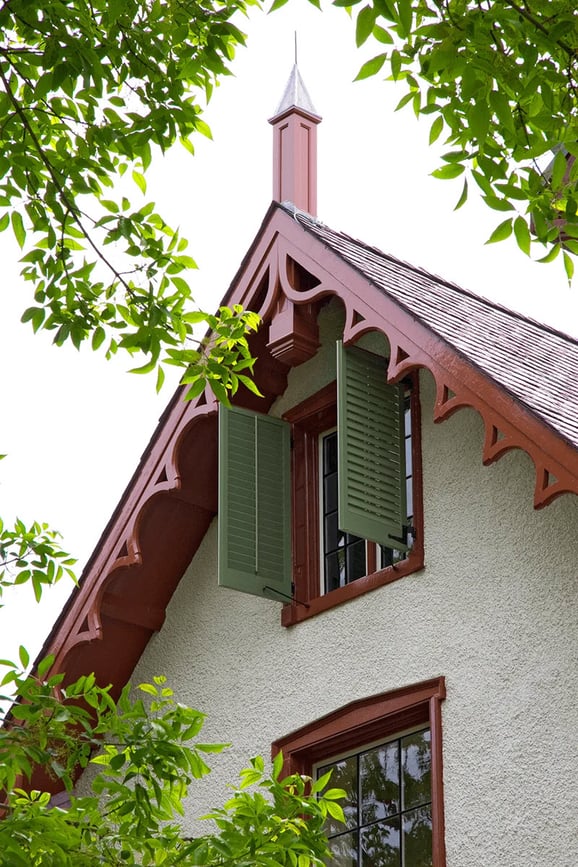
Lincoln’s exterior shutters are traditional louvered shutters in keeping with the Gothic Revival style in warm weather climates.
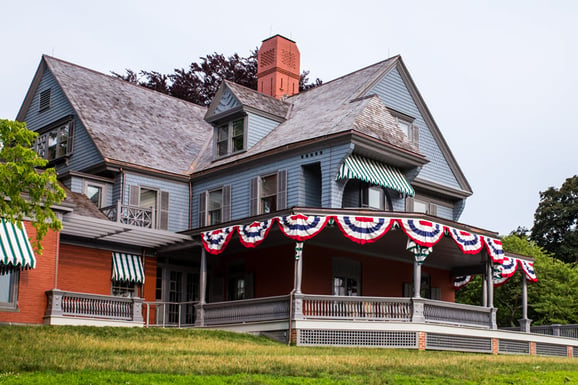
Theodore Roosevelt’s summer White House, Sagamore Hill, is a Queen Anne style house built in 1885. Timberlane replicated the exterior shutters here, under the direction of the National Park Service. Historic restoration and renovation guidelines for NPS work are always to preserve historic architectural elements where possible or replicate if materials cannot be repaired. Timberlane exterior shutters, replicated from the originals in 1885, adorn Theodore Roosevelt’s Sagamore Hill.
Historic preservation requires a scholarly understanding of architectural precedent, including proper scale, proportion, durable materials, and authentic detailing. For more than 30 years, Timberlane’s team has developed and refined this expertise, applying it thoughtfully to every project.
For three decades, we have proudly partnered with homeowners, preservationists, architects, and institutions to help preserve America’s architectural heritage for future generations.